How to Approve Party Banner Wording and Assembly Order
- Share
- publisher
- GleeParty Editorial Team
- Issue Time
- Oct 23,2026
Summary
A practical banner approval workflow for wholesale buyers: exact wording, repeated letters, line order, samples and consistent packaging.

How to Approve Party Banner Wording and Assembly Order
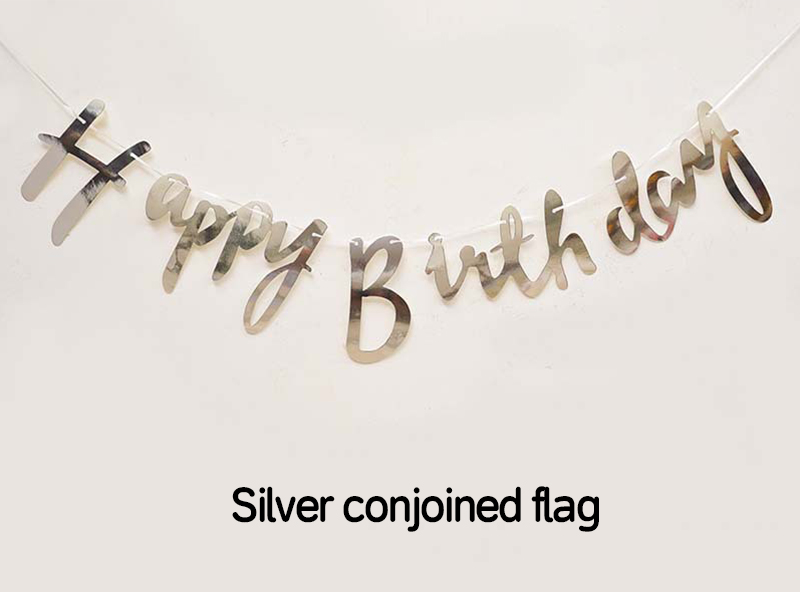
A party banner is both a decorative product and a readable message. Buyers often start with color, theme and price, but an incomplete phrase or unclear assembly order can undermine an otherwise attractive selection. A wording approval sheet gives a retailer, private-label brand or online seller a concrete way to discuss the item with a supplier.
For a GleeParty inquiry connected with Yiwu Jingjie Crafts Co., Ltd., the sheet can bring purchasing, artwork and sample questions into one conversation. The following workflow applies to reviewing an existing design or requesting an adaptation. It does not assume that every language, construction or custom option is currently available.
1. Separate the phrase from the theme
Write the intended phrase in editable text before adding it to an artwork file. Include capitalization, punctuation, spaces, accents and any symbols that carry meaning. Then name the language and the market in which the wording will be used. A competent reviewer of that language should approve the text; an attractive reference photograph is not a translation approval.
Keep a separate line for the visual theme. Space, metallic birthday or rainbow describes the style, while the exact phrase defines the message. Separating these fields prevents a designer from treating a theme reference as permission to rewrite the wording. For an existing catalog item, ask for its confirmed phrase and available version first. A requested change remains a proposal until feasibility, sampling and commercial details are agreed.
2. Make a piece list that matches the construction
Identify whether the banner uses individual letters, connected words, printed pennants or a combination. These constructions cannot always share the same piece-count rule. A connected script word may be one physical piece even though it contains several letters. Record physical pieces and readable characters separately when the distinction matters.
For an illustrative individual-letter HAPPY BIRTHDAY banner, HAPPY has five letters and BIRTHDAY has eight. The combined phrase needs thirteen letter pieces: H, A, P and Y each appear twice, while B, I, R, T and D appear once. Add any decorative stars or icons as separate entries. This example is a checking method, not a claim about the contents of a pictured SKU. Verify the actual sample and its component list.
3. Show the intended reading and threading order
Draw a simple front-view layout with each line identified. For a two-line phrase, state which word belongs on the upper string and which belongs below. Number the physical pieces in reading order and distinguish those numbers from any printed design elements. If icons are positioned at the ends, show their placement explicitly.
Ask whether the item arrives pre-threaded or requires assembly, and whether string or any threading aid is included. Confirm the relevant product instructions rather than guessing from the photograph. Where reversible pieces or one-sided printing affect the view, include a front/back note. The goal is to let another reviewer reproduce the intended message without relying on the person who created the original artwork.
4. Review readability at the intended display distance
Examine the phrase as a complete composition, not only as individual enlarged letters on a screen. Connected script, reflective finishes and decorative motifs can change how easily a message is read. Review a sample or a suitable layout reference against the intended background, and record whether the question concerns the wording, the style or the display arrangement.
A photograph should help explain the design without implying an unconfirmed size. Ask for the relevant product measurements and clarify what they describe: individual piece dimensions, string length or the assembled arrangement. Spacing between separate pieces can change the displayed width. Keep those questions linked to the selected construction rather than copying measurements from a visually similar banner.
5. Give the sample review a specific decision
When reviewing a sample, lay out the components and compare them with the current phrase and piece list. Then follow the supplied assembly instructions and inspect the resulting message. Photograph both the flat layout and the front view where useful. Include the product reference and approval-sheet version so the record can be traced back to the correct request.
Record a decision for each unresolved issue: accepted, revision requested or further confirmation needed. Avoid a vague reply such as looks good if the text is accepted but the string arrangement still needs clarification. Name the person responsible for the next answer. If a change affects the physical construction or packed contents, ask whether another sample review is needed before approving the revised version.
6. Transfer the same message to packaging and listings
Use the approved wording as the reference for the retail title, included-item description and customer-facing image. Confirm that the packaging names the actual language version. A photograph of a complete party scene may include balloons, fixtures or other decorations outside the banner pack; distinguish those styling elements in the description where they could create confusion.
If customer assembly is required, make that expectation visible using confirmed product information. For several language versions, maintain a separate item reference and approval record for each. Do not assume that a translated phrase will use the same number of pieces or arrangement. Review the proposed version as its own product configuration, including packaging and supplier confirmation.
A compact record for the next sourcing discussion
Your final sheet can contain seven fields: item reference, exact phrase, language reviewer, physical piece list, line layout, assembly status and open questions. Add a dated approval entry only when the relevant details have actually been accepted. Retain the previous version for context while making the current version unambiguous.
This turns a subjective design conversation into a practical buying record. Start with the shorter GleeParty banner wording buyer update, then send the selected reference and your unresolved wording or assembly questions together. Clear decisions make it easier to discuss samples, retail presentation and a future repeat inquiry consistently.
GleeParty connects party product selection with the sourcing conversation at Yiwu Jingjie Crafts Co., Ltd.. Share your target market, product references and unresolved questions through our wholesale party supplies service. Confirm product details, samples, packaging and delivery arrangements for your specific inquiry before making a purchasing commitment.