How to Build a Construction Party Tableware Assortment
- Share
- publisher
- GleeParty Editorial Team
- Issue Time
- Oct 27,2026
Summary
Create a construction party assortment with clear component quantities, artwork checks and pack boundaries for wholesale and retail buying.
How to Build a Construction Party Tableware Assortment
A construction party range can tell a clear visual story through vehicles, road signs and yellow accents. For a professional buyer, however, the collection has to work beyond the photograph. Plates, cups, napkins and decorative extras need a defined role, an understandable pack structure and a description that customers can rely on. This guide explains how to turn a construction-themed reference into a practical purchasing brief for discussion with GleeParty and Yiwu Jingjie Crafts Co., Ltd.
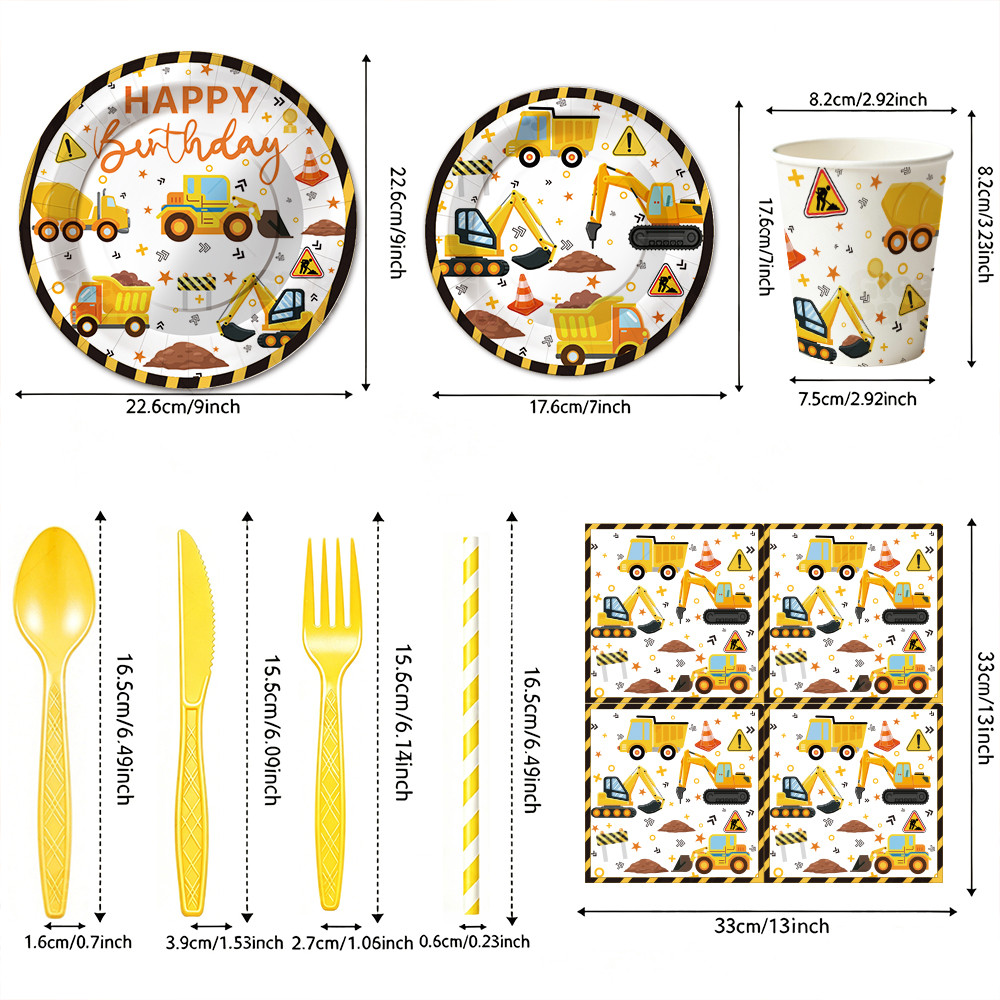
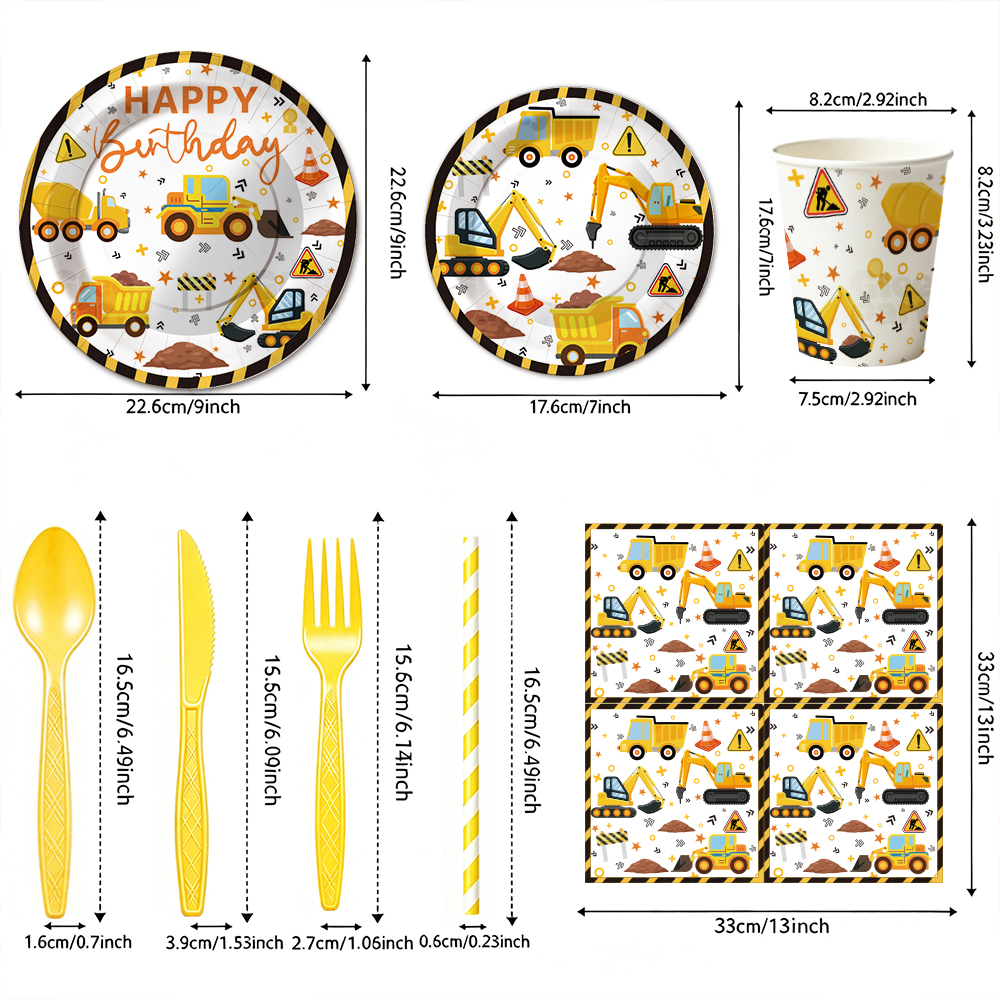
The accompanying component image is a visual reference, not a confirmed quotation or packing list. Product availability, sizes, materials, quantities and artwork must be checked for the specific items being considered. Do not derive a complete kit specification from the number of objects shown in a styled photograph.
1. Decide what the offer is meant to do
Start with the selling channel and the customer's task. A retailer may want an easy-to-understand tableware pack. An online seller may prefer individual components that can be described accurately in separate listings. An event planner may need table items alongside decorations selected for a particular venue. These are different briefs even when they use the same construction graphics.
Write one sentence defining the offer, such as a coordinated table setting with optional decorative additions. Keep that sentence beside the product list during selection. If the assortment expands, review whether the additions still support its purpose. A broad collection is useful only when the buyer can explain what belongs in the base offer and what is purchased separately.
2. Assign a role to every component
List plates, cups and napkins on separate lines. If there are two plate formats, give each its own reference and intended role rather than treating them as interchangeable. Add cutlery, straws or a table covering only when those items are actually under consideration. A construction print does not by itself establish an item's dimensions, capacity or suitability for a particular use.
For every line, record the supplier reference, description, required specification, quantity per selling pack and quantity requested. Use a status column for confirmed, awaiting sample or awaiting clarification. This simple record makes gaps visible. It also allows the purchasing and merchandising teams to discuss the same assortment without relying on different recollections of a photograph.
3. Make guest coverage understandable
Count coverage by component, not by an impressive total piece count. A pack with several different item types may contain many pieces without providing the same number of complete settings. If the intended offer includes one plate, one cup and one napkin per setting, each of those quantities has to support the stated number of settings. Extra accessories do not increase that coverage.
Do not assume all components are sold in identical pack quantities. Ask how each selected item is packed, then decide whether your proposed bundle can be assembled as described. If you plan to repack goods, discuss the responsibilities and packaging requirements separately. Avoid publishing a guest-count claim until the exact selling-pack contents have been checked.
4. Review the construction story across the artwork
Compare the visible vehicles, road markings, background colors and wording across the selected items. A bold yellow plate may coordinate with a dark road-pattern cup without matching it exactly. What matters is an intentional relationship. Put the references together in a single review sheet so that differences in style are considered before the assortment is approved.
Read all printed wording. Birthday-specific text can narrow the occasions for which an item is appropriate. If you want a general vehicle-themed offer, identify wording that could conflict with that purpose. Ask which artwork is available for the selected reference, and discuss any requested changes as a separate customization inquiry. Do not promise artwork changes before feasibility is confirmed.
5. Separate decorations from the tableware pack
A photographed scene may include a backdrop, balloons, banners, cake decorations, furniture or other styling props. Treat these as separate possibilities until a written list confirms otherwise. Mark each reference as included, optional or scene-only. This distinction should appear in the purchasing brief and later in customer-facing descriptions whenever the presentation could create uncertainty.
A useful listing can show both a styled view and a component view. The first explains the look; the second helps explain what arrives. Captions must stay consistent with the actual selling pack. If the displayed scene uses multiples of a product, say so clearly instead of implying that one pack reproduces the entire arrangement.
6. Use samples to resolve specific questions
Request samples for a reason that can be checked. Questions may concern dimensions, print appearance, the way napkins are folded, how components fit inside packaging or whether the proposed assortment looks coordinated in person. Keep the sample reference and the question together. A general comment such as looks good is less useful than a record of what was reviewed.
Screen colors and image proportions are not sufficient evidence for every purchasing decision. Use supplier specifications and agreed sample checks for the details that matter to your offer. Where food-contact or market requirements apply, ask for the relevant product information for the actual item and destination. Avoid turning a theme name or a photograph into a compliance claim.
7. Close the brief before preparing the listing
Before progressing, review the component list, confirmed specifications, packaging arrangement, artwork references and remaining questions together. Then request the commercial details for that defined scope. Availability, order conditions and delivery arrangements need confirmation for the actual inquiry. Keep changes in the same record so that an updated quantity or component does not leave the listing describing an earlier version.
A dependable construction collection is one that buyers can explain and customers can understand. For the shorter editorial introduction, see our construction party collection update. Use the checklist above to prepare a focused inquiry rather than a collection of unrelated screenshots.
GleeParty brings the collection discussion together with Yiwu Jingjie Crafts Co., Ltd.. Send your selected references, sales channel and purchasing questions through our wholesale party supplies service. Confirm product specifications, samples, packaging, availability and delivery arrangements for your actual inquiry before making a purchasing commitment.