How to Plan Party Tableware Quantities Across Different Pack Sizes
- Share
- publisher
- GleeParty Editorial Team
- Issue Time
- Oct 22,2026
Summary
A practical guide to translating guest requirements into party tableware pack quantities, with clear units and a worked buying example.
How to Plan Party Tableware Quantities Across Different Pack Sizes
A tableware assortment may look coordinated while its pack quantities differ from item to item. Plates might be offered in one count, cups in another and napkins in a third. For a retailer creating a set or an event buyer ordering for a planned guest number, those differences matter. A useful purchasing worksheet starts with the intended service, translates it into pieces and then converts pieces into the supplier’s confirmed order units. This keeps the calculation understandable from inquiry through receiving.
Define one place setting in plain language
List what each guest is intended to receive. A main plate and a dessert plate are different requirements, even if both belong to the same pattern. Decide whether the plan includes a cup, napkin, fork or other item, and identify any shared service items separately. Do not let a styled table photograph define the contents implicitly. For a retail bundle, the guest claim should be supported by the actual included items and their intended use.
Separate guest count from expected consumption
The number of people is a starting point rather than a complete consumption forecast. An event with separate meal and dessert service may need different pieces from a short drinks reception. Record the planned quantity per person for each item and any additional requirement chosen by the organizer. Keep those planning assumptions visible. There is no universal spare percentage that is right for every event, and a supplier pack count should not determine the service plan without discussion.
Confirm what the supplier sells as one unit
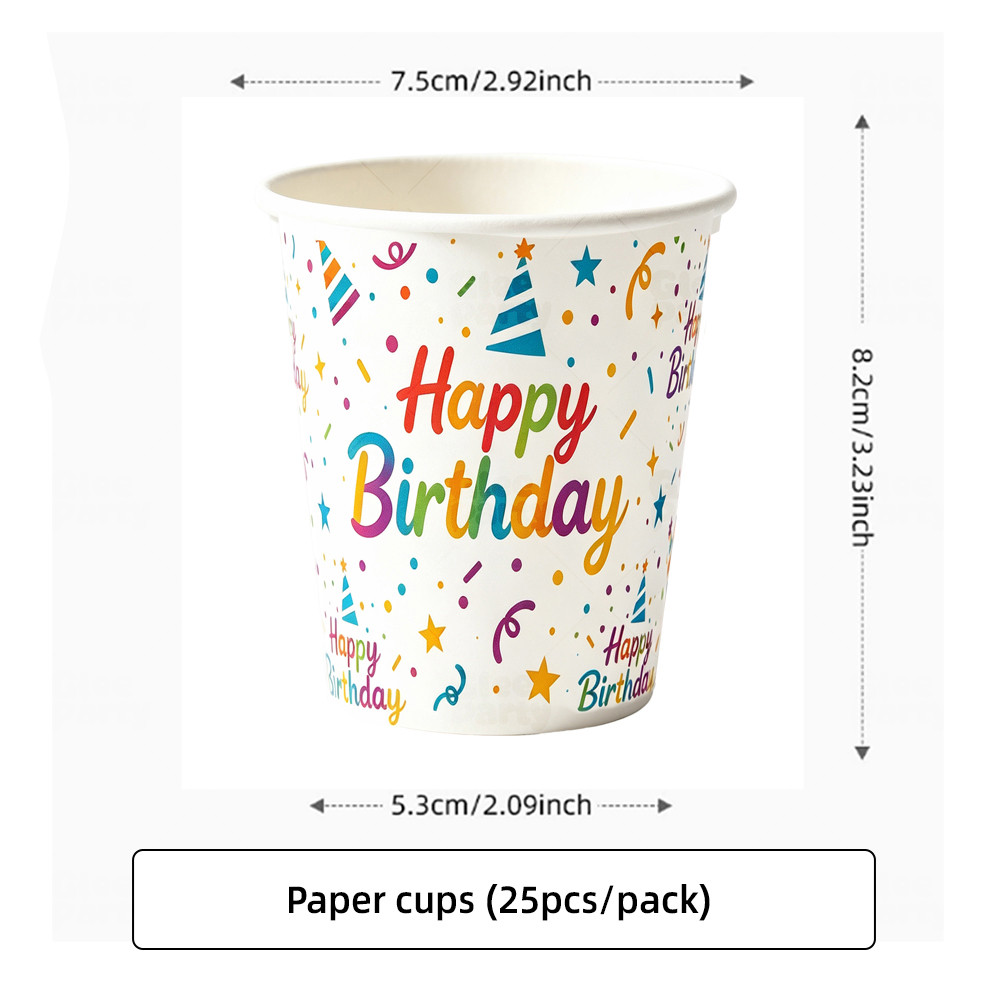
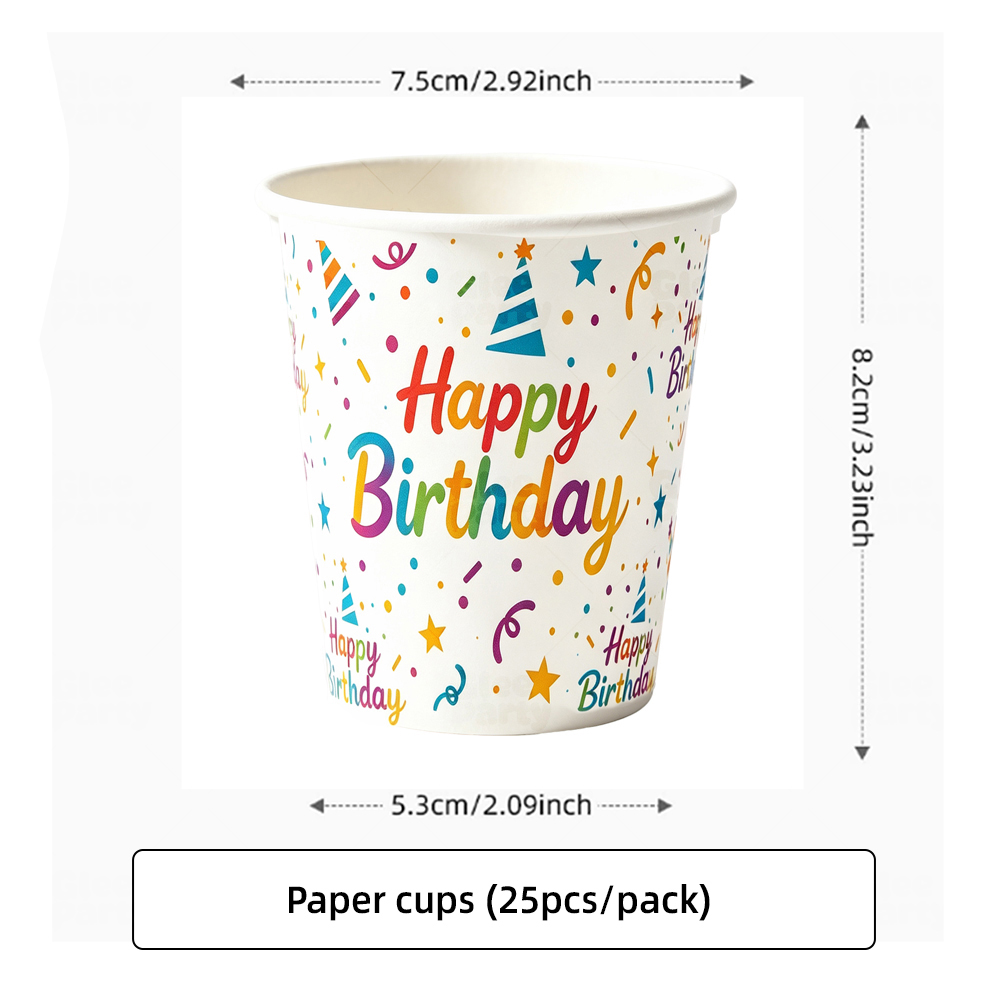
Ask whether the quotation unit is a piece, a retail pack, an inner pack or a master carton. Record the number of pieces in each applicable unit and confirm the minimum order increment for the specific reference. Do not assume that every matching item can be ordered in the same increment. If a catalog photograph shows a pack count, use it as a question to verify against the current product specification before completing the worksheet.
Use a simple whole-pack calculation
Divide the required number of pieces by the confirmed pieces per pack and round up to the next whole pack where packs cannot be split. Then multiply the pack count back by the pieces per pack to show the total ordered quantity. The difference between that total and the requirement is the surplus created by rounding. Keep the calculation for each item on its own row so one item’s quantity is not copied across the assortment by accident.
Work through an illustrative example
Suppose a buyer needs 60 place settings, each containing one plate, one cup and one napkin, with no additional allowance in this example. Assume plates are supplied in packs of 25, cups in packs of 20 and napkins in packs of 50. The calculation gives three plate packs, three cup packs and two napkin packs. That produces 75 plates, 60 cups and 100 napkins. These are hypothetical counts for explaining the method, not confirmed GleeParty product or order terms.
Interpret the surplus before approving the order
In the example, the purchase supports the planned 60 settings while leaving 15 plates and 40 napkins beyond that requirement. The buyer should decide whether those extra pieces are useful for later events, suitable for separate retail sale or simply acceptable rounding. Do not describe the entire purchase as 75 complete settings, because the cup quantity does not support that claim. If the surplus is impractical, ask whether another confirmed pack configuration is available rather than assuming packs can be opened or mixed.
Keep coordinated design and functional review separate
Check color, pattern and presentation together, but confirm dimensions and intended use for each reference individually. A small plate may suit one serving role and not another. A matching cup should not be assigned an unsupported capacity or use claim based on appearance. Review the relevant product information and ask for clarification where the intended food or drink service matters. A coordinated visual range is a design decision; product suitability still requires its own review.
Build a worksheet that another person can check
Useful columns include buyer reference, supplier reference, item role, required pieces, pieces per pack, pack quantity, ordered pieces and surplus. Add a field for the source and date of the confirmed specification. Include the quotation unit and any carton conversion separately. A colleague should be able to recompute the totals from the visible values. Avoid mixing a carton count into a column labeled packs, even if the purchasing team understands the shorthand today.
Connect the worksheet to the retail description
If the buyer is creating a bundle, write the contents list from the confirmed quantities rather than from a marketing headline. Explain which components are supplied for each intended setting and identify exclusions. If one item has extras, describe them accurately instead of using the highest component count as the guest count. Update the worksheet and description together when an item is removed or replaced. This makes future reorders easier to compare with the version customers originally saw.
Use the same units during receiving and replenishment
Give the receiving team both the expected pack count and the expected piece total, along with the product reference. If the supplier’s shipping carton contains several retail packs, show that relationship explicitly. Record actual discrepancies at the appropriate level: a missing carton, a missing pack and a piece-count issue are different observations. For a repeat order, review the current pack specification again rather than assuming every earlier quantity still applies.
Prepare a focused inquiry with GleeParty
Share the target number of settings, the intended service and the item-by-item worksheet when speaking with GleeParty and Yiwu Jingjie Crafts Co., Ltd. Mark unconfirmed pack counts as questions and state whether alternative configurations are acceptable. Ask for product-specific confirmation of quantities, availability, pricing and order conditions. A clear numerical brief supports a professional conversation because both buyer and company contact can see how the requested products connect to the planned use.
Plan your sourcing brief with GleeParty
Connect your party product requirements with Yiwu Jingjie Crafts Co., Ltd. through GleeParty. Share your target market, sales channel, product references and quantities for a focused discussion. Explore our wholesale party decoration sourcing options and request confirmation of the specifications, availability and commercial terms relevant to your project.