How to Run a First-Use Instruction Review for Party Kits
- Share
- publisher
- GleeParty Editorial Team
- Issue Time
- Oct 20,2026
Summary
Review the actual retail pack, component names, setup sequence and instruction artwork before approving a branded party kit.

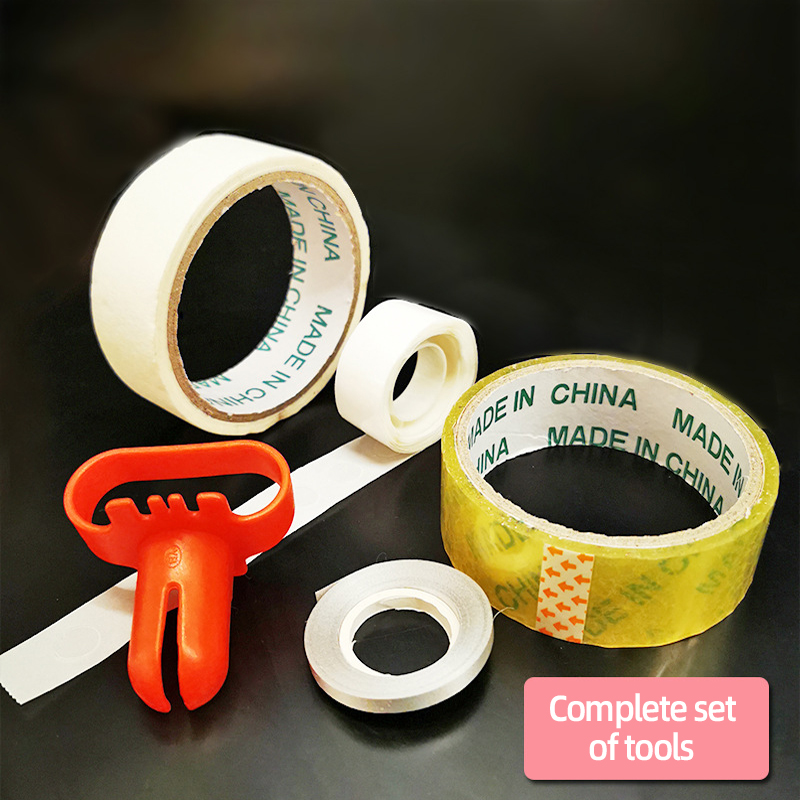
How to Run a First-Use Instruction Review for Party Kits
A first-use instruction review asks a practical question: can someone understand how to begin using the proposed party kit without relying on the product team to explain it? For a private-label buyer, that question connects packaging, component selection and customer support. The exercise described here is an observation method, not a safety certification or a promise that a kit can be assembled within a particular time. Use the actual proposed configuration, follow its product-specific guidance and stop any step that appears unsuitable. The aim is to find information gaps before final artwork and packing decisions are approved.
1. Set a narrow review objective
Choose the part of the customer experience you want to examine. A useful first session covers opening the retail pack, identifying the contents, finding the starting step and preparing the required tools. It need not reproduce an entire styled celebration. Write down the intended setup and the information the reviewer should be able to find. Keep questions about component quality, packaging appearance and instruction clarity distinct, even if they arise during the same session. This helps the team select an appropriate response instead of assuming every difficulty requires a complete product redesign.
2. Use the proposed customer configuration
Bring the sample kit, its actual retail packaging and the current instruction draft. Record their version references. Include only the tools and accessories that the customer would receive or has been clearly told to prepare. If a pump, hanging support or fastening material is optional, leave that distinction visible. Do not make the review artificially easy by supplying an unlisted tool or presenting components in a more organized form than the proposed pack. Check that the sample matches the configuration under discussion; otherwise the observations may relate to a version that will never be sold.
3. Choose a reviewer without inside knowledge
A person who designed the kit may unconsciously fill in missing steps. Ask someone who did not write the instructions to review the proposed information, while ensuring the activity is appropriate for them and follows the product guidance. Explain that the instructions are being evaluated, not their ability. Tell them to describe what they are looking for and to stop when something is unclear. One review cannot represent every customer or establish a performance claim, but it can reveal specific questions worth investigating with additional reviewers or a revised draft.
4. Observe before coaching
Allow the reviewer to open the pack and locate the starting point. Note pauses, repeated reading, misidentified parts and requests for help. Record the instruction step and the action observed rather than a vague judgment such as confusing. If the reviewer asks where an accessory belongs, capture the name or image they used to identify it. Avoid explaining immediately when it is appropriate to continue observing, because coaching can conceal a missing instruction. Stop and clarify whenever a proposed action conflicts with the product guidance or raises a concern about suitability.
5. Check the component vocabulary
Compare the names in the contents list, diagrams and written steps. A ribbon, a balloon strip and a knotting aid should not all be called an accessory when the user needs to distinguish them. Use the same term throughout the document and pair unfamiliar items with a recognizable close-up. Confirm quantities and identify optional equipment separately. If a component has a supplier name that customers are unlikely to understand, agree a clearer customer-facing description while keeping the technical reference in the purchasing specification. Consistency matters more than adding decorative wording to every part.
6. Review the visual sequence
A useful diagram shows the action the reader needs to understand, not only the attractive final arrangement. Check whether the images follow the same order as the text and whether orientation, attachment points or component relationships are visible. Avoid showing several unlabelled actions in one crowded panel. Where the final scene contains furniture, extra decorations or tools outside the kit, identify them as display props or separately supplied items. The review should connect the pictured result with the actual contents instead of relying on a promotional photograph to explain an assembly process.
7. Separate clarity from product-specific requirements
A successful reading exercise does not establish that a product is appropriate for every surface, user or setting. Review warnings, intended use and relevant limitations for the exact configuration through the responsible product and market review process. Do not remove necessary information simply to create a cleaner layout. Likewise, avoid adding unsupported claims such as damage-free attachment, universal compatibility or unlimited reuse. If the proposed setup depends on a particular support or environment, make that dependency clear and confirm it with the supplier before the instruction artwork is approved.
8. Turn observations into controlled revisions
For each issue, record the observed difficulty, proposed change, responsible person and instruction version. A missing tool callout, unclear component photograph and wrong step order need different corrections. Make the smallest change that addresses the specific issue, then repeat the affected part of the review. Preserve the earlier version so the team can see what changed and why. If the solution changes the physical kit rather than the wording alone, update the component list, packing specification and product images together. An improved instruction sheet should not describe an accessory that is absent from the final pack.
9. Build an approval record that can be reused
Keep the final instruction file with the approved sample photographs and retail packing reference. Note what was reviewed, who participated and which issues remain open. Avoid converting a small internal exercise into a broad tested-by-customers claim. On a reorder, compare the new configuration with that record and reassess affected steps when an accessory, size or packing arrangement changes. For multilingual artwork, review each language version for clarity and consistency rather than assuming a direct translation preserves the meaning of a short caption or diagram label.
10. Bring a precise brief to the supplier conversation
GleeParty and Yiwu Jingjie Crafts Co., Ltd. can be approached with a more useful brief when the buyer separates the intended customer experience from the proposed solution. Share the market, product references, contents list and specific instruction questions, along with the desired retail format. Discuss whether a printed card, label or another information format is suitable for the project and what needs confirmation before approval. Product availability, customization scope, costs and timing should be agreed for the actual order. The review record becomes a shared reference for that discussion and for later revisions.
Plan your next sourcing discussion with GleeParty and Yiwu Jingjie Crafts Co., Ltd.. Share your market, product references and packing requirements through our wholesale service page. Product availability, quantities, customization, costs and timing require confirmation for the specific order.