How to Specify Finishes for a Disco Party Assortment
- Share
- publisher
- GleeParty Editorial Team
- Issue Time
- Oct 28,2026
Summary
Separate color, surface appearance and material when selecting disco party decorations and preparing accurate B2B product descriptions.
How to Specify Finishes for a Disco Party Assortment
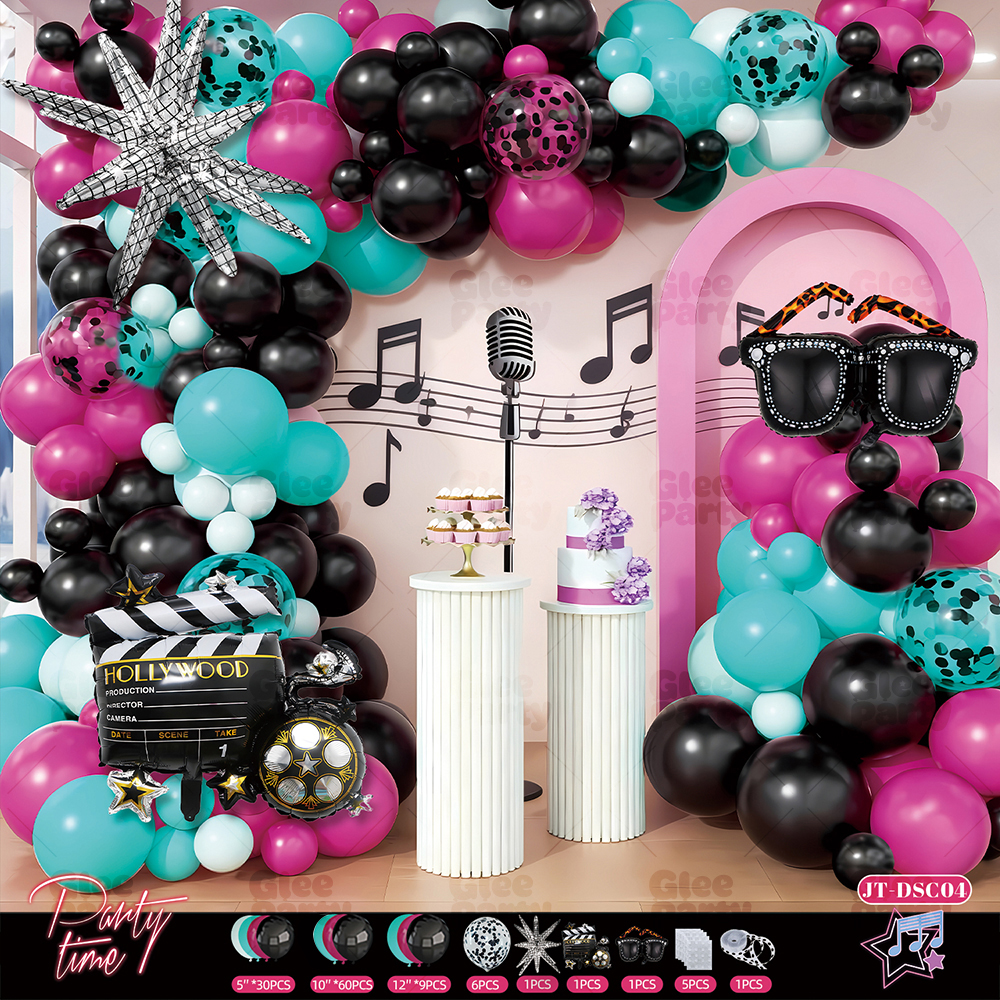
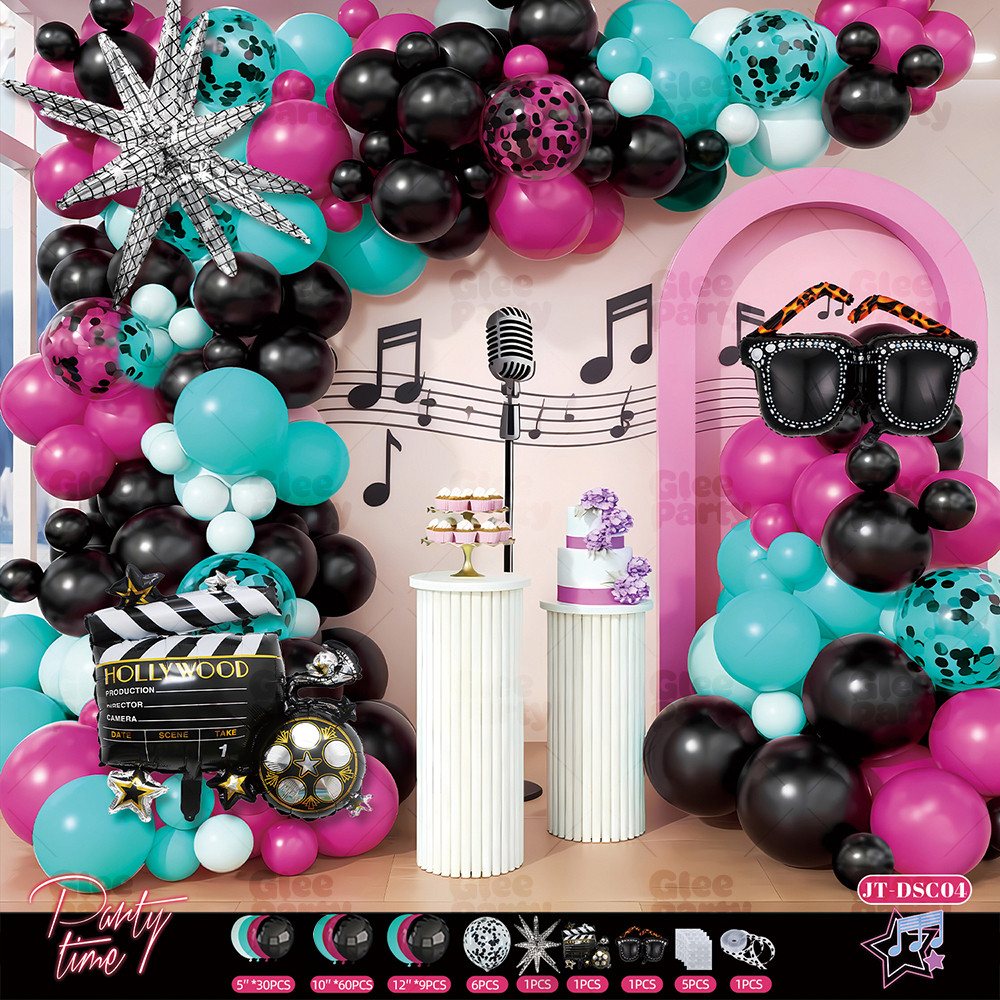
A disco party assortment depends on visual contrast: reflective-looking accents, bright colors, dark backgrounds and music-themed graphics can create a distinctive scene. For a buyer, the challenge is turning that impression into product descriptions that remain accurate after the photograph is removed. Silver is a color description; shiny is an appearance; neither is a complete material specification. A useful brief keeps those ideas separate.
This guide explains how to discuss finish choices with GleeParty and Yiwu Jingjie Crafts Co., Ltd. The accompanying library image illustrates a styled disco direction. It is not proof of a specific surface treatment, a complete kit, current availability or performance under particular lighting. Confirm the exact item information before using any of those claims in a listing.
1. Record the effect you want customers to notice
Start with the intended visual effect in plain language. Perhaps one silver-patterned accent should draw attention while darker balloons frame the display. Perhaps colorful music shapes should be the main feature. Describe that intention before choosing descriptive words for the materials. This gives the supplier a context for the discussion without pretending that an aesthetic preference is already a technical specification.
Identify the essential effect and the elements that can vary. A buyer may accept different supporting colors while requiring a particular graphic pattern. Another may prioritize a consistent color relationship across the collection. Make those priorities explicit so that proposed alternatives can be evaluated against the same brief rather than against an undefined idea of sparkle.
2. Separate color, pattern and surface appearance
Use different fields for the visible color, any printed pattern and the observed surface appearance. A silver-colored item may have a smooth look, a printed tile design or another treatment. A mirror-ball graphic can suggest a disco theme without proving that the product is a glass mirror ball or providing any particular optical effect.
Ask for the supplier's description of the exact reference. Do not replace it with a more impressive material claim based on the photograph. If the product information is unclear, mark the point as awaiting confirmation. This is particularly useful when merchandising language is being prepared before samples have arrived and several visually similar references are still being compared.
3. Ask material questions separately
Once the desired appearance is clear, request the actual material and construction information needed for the purchasing decision. The questions depend on the product. A shaped balloon, a fringe curtain and a printed backdrop should each have their own specification line. They should not inherit a shared material description merely because they appear in one silver-themed display.
Keep product-use questions attached to the exact item too. A photograph does not establish inflation requirements, attachment suitability, durability or outdoor use. Where a claim matters to the intended sale, ask what information supports it for that product and market. Avoid treating a general collection description as evidence for every component.
4. Compare appearances under stated conditions
If visual appearance is central to the offer, define what the sample review will examine. Compare the selected accents together and record the lighting and viewing conditions used for that review. Ordinary room lighting and a styled photograph may produce different impressions. A useful note describes what was observed, rather than promising the same effect in every venue.
For initial image review, ask for clear product references that let the team distinguish the surface from surrounding reflections and props. A dramatic scene image can communicate style, while a simpler product view can help identify the item. Neither should be used to invent a performance guarantee or conceal differences between the image and the actual proposed product.
5. Decide how much visual emphasis each item receives
A collection can feel coordinated when one or two accents lead and the other pieces support them. Give each selected item a role: focal decoration, background, color connector or optional addition. This prevents a purchasing list from expanding simply because every shiny object appears to fit the theme. The right balance depends on the buyer's intended offer.
Keep the occasion visible in the same review. Birthday wording, age numerals and music-related shapes may narrow the way the range can be described. A general disco collection and a birthday-specific kit need different contents statements. Confirm that the selected graphic and text elements match the intended use before preparing the headline and main product image.
6. Build an item list independent of the scene
Create a line for every product being requested, including the image reference, supplier identifier, quantity, dimensions and open questions. Label furniture, display supports and styling props separately. A full scene is not a packing list, and the number of visible pieces is not necessarily the quantity in one selling pack.
Ask how each selected item is packed and how the proposed assortment would be supplied. If a special retail presentation, insert or label is desired, discuss it explicitly rather than assuming it is included. Keep optional additions separate so that a quotation for a core assortment can be compared with a broader proposal on a clear basis.
7. Review wording when a product changes
An alternative reference may change the finish, pattern, color relationship or physical construction. Review all affected fields when considering a substitution. It is not enough to keep the word silver while replacing an item that creates a different visual effect. Retain the approved reference and the sample feedback so the purchasing team can explain what has changed.
Update the customer-facing description only after the revised scope is confirmed. Use appearance language that the product information and review support. Distinguish what the customer receives from how a photographer styled it. This helps an expressive GleeParty presentation remain useful to professional buyers who need clear, dependable purchasing information.
8. Bring the finished brief into the sourcing discussion
Send the selected references, desired quantities, destination and sales channel together with your specification and packaging questions. Request availability, sample arrangements, commercial terms and delivery details for that defined scope. Our disco finish buying update introduces the same approach in a shorter format. A clear record of the desired effect and confirmed product facts makes the next conversation more productive.
Bring your selected references and purchasing questions to GleeParty for a focused discussion with Yiwu Jingjie Crafts Co., Ltd.. Our wholesale party supplies service is a starting point for discussing specifications, samples, packaging and delivery arrangements for your actual inquiry. Confirm product availability and commercial terms before making a purchasing commitment.