How to Specify Party Napkin Folds, Sizes and Print Panels
- Share
- publisher
- GleeParty Editorial Team
- Issue Time
- Oct 24,2026
Summary
Build a clear napkin brief covering folded and open dimensions, print orientation, samples, pack quantities and retail presentation.
How to Specify Party Napkin Folds, Sizes and Print Panels
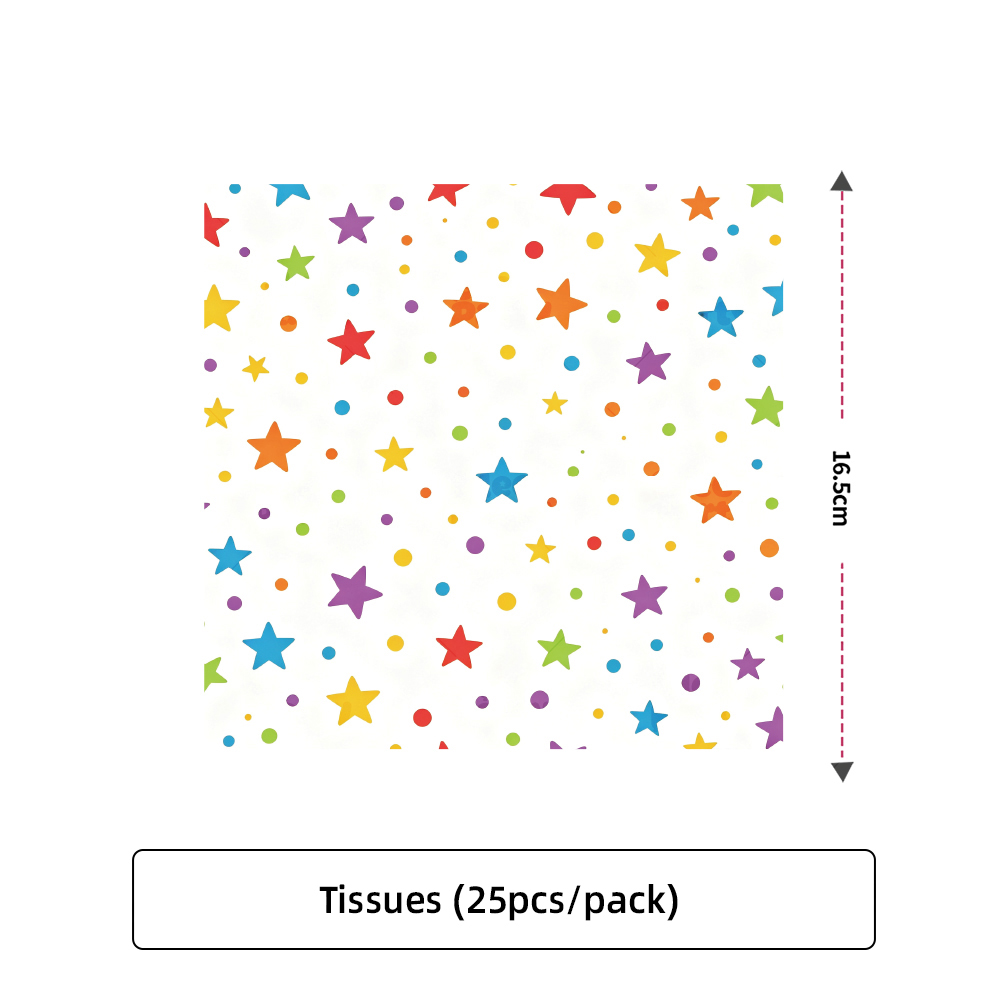
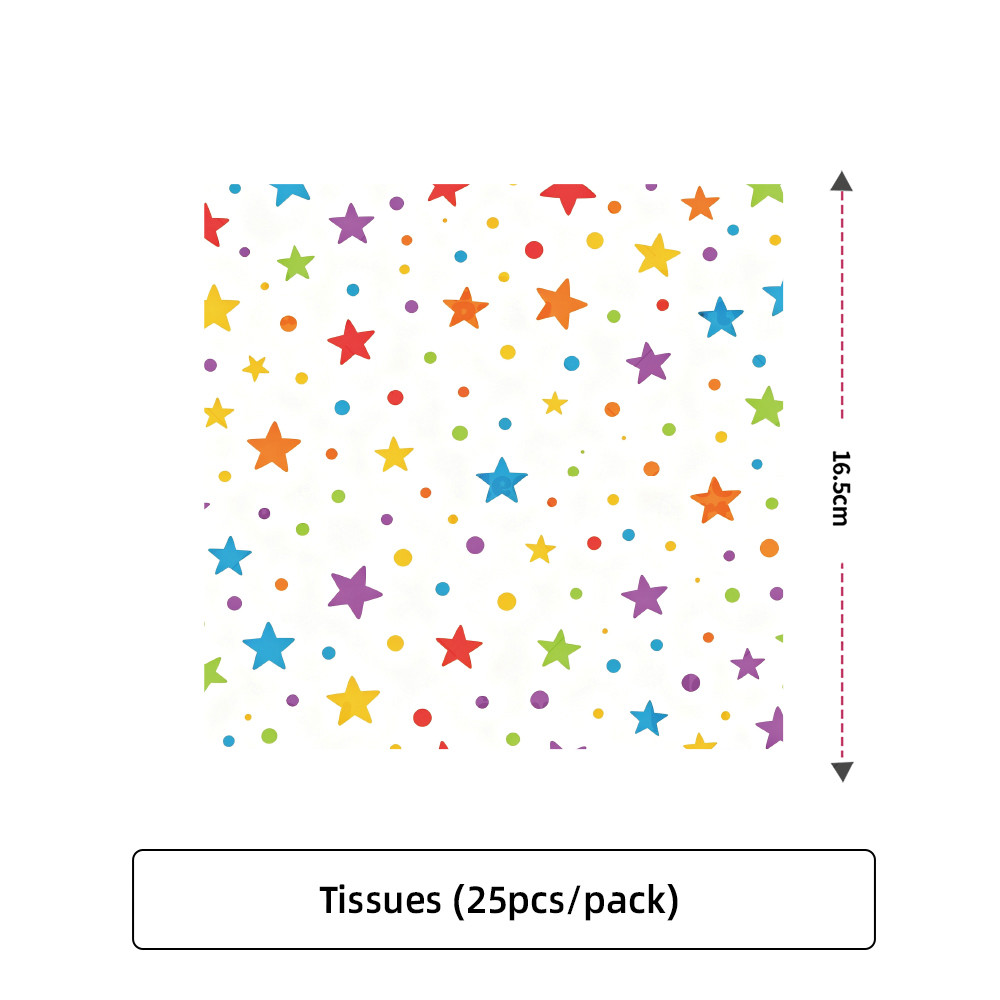
A party napkin may seem like a straightforward addition to a tableware collection, yet its purchasing record can leave several important details undefined. The size may refer to the opened sheet while the photograph shows a folded panel. A print preview may show the whole design while the customer initially sees only part of it. A pack quantity may be confused with a material description.
A concise specification sheet helps a wholesaler, retailer or e-commerce seller connect these details. For a GleeParty selection discussed with Yiwu Jingjie Crafts Co., Ltd., it provides a shared reference for product questions, samples and packaging decisions. Begin with the actual item under consideration, then build the record around what has been confirmed.
1. Name the item and its intended presentation
Record the product reference, design name and the role it will have in the assortment. Is it an individually sold napkin pack, a component of a coordinated tableware offer or an item intended for an event planner's place setting? The answer helps explain which views and information the buyer needs without changing the product specification by assumption.
Attach the selected catalog image as a visual reference and distinguish it from any proposed artwork. A colorful star pattern and a phrase-centered design may need different presentation checks. If the buyer wants a modification, label that request clearly and ask whether it is feasible before treating it as an available version.
2. Record folded size and open size separately
Create separate fields for the supplied folded dimensions and the fully opened dimensions, each with width, height and units. Ask the supplier which state is represented by any existing catalog measurement. Do not transfer a number into both fields simply because the photograph looks square or the fold resembles a familiar format.
For an illustrative sheet measuring 33 by 33 centimeters, folding it exactly in half in both directions would produce a 16.5 by 16.5 centimeter panel. This is a geometry example, not a specification for the pictured napkin. Actual dimensions, fold arrangement and any agreed acceptance criteria need confirmation for the chosen item. Keep the product record separate from assumptions used to explain the calculation.
3. Define the supplied fold and visible panel
Ask how the selected napkin is folded when supplied. Use a simple sketch or labeled sample photograph to show the front-facing panel, the orientation of the pattern and the direction in which the sheet opens. This helps a reviewer understand what the customer will see before unfolding the product.
Where wording or a central illustration is present, check its position in the actual fold. Approval of a complete artwork file does not necessarily confirm that the important element appears as intended on the visible panel. For a repeating pattern, review the overall appearance without assuming that every folded item will place each small motif in an identical position unless that requirement is explicitly agreed.
4. Keep material and print questions distinct
List material description, layer count, finish and print details as separate questions. Request the information applicable to the selected product rather than inferring it from a bright photograph or a decorative theme. An image can show a design, but it cannot establish every physical property or intended-use claim.
When a buyer needs supporting documentation for a particular market or use, state the requirement clearly and request relevant evidence for review. Do not turn an unanswered question into a claim in the sales listing. Keeping those requirements visible makes the sourcing conversation more useful while allowing confirmed appearance details to progress independently.
5. Review a sample in more than one state
Inspect the supplied folded item, then open it and compare both views with the current specification. Check the recorded dimensions using an agreed method, review the visible design orientation and note how the sample relates to the approved reference. Photograph the views that answer actual questions; a collection of unlabeled images is harder to use later.
Record the item reference, sample date and specification version alongside each observation. Give a clear decision for each field: accepted, clarification needed or revision requested. If the artwork is accepted but the fold is unresolved, state that distinction. Where a proposed change affects the finished product, ask whether an updated sample should be reviewed before approval.
6. Separate a napkin from a retail pack
Specify the number of napkins in the saleable pack independently from the number of folds or layers. Also record the proposed pack format and any label requirements. If several components will be sold together, identify the quantity for each component instead of assuming that every item in a coordinated set uses the same pack count.
For a sample pack, review which side faces the customer through the packaging and whether the description matches the supplied item. A retail image may show an opened napkin to explain the pattern, but the listing should still make the supplied fold and included quantity clear. Any requested change to packing should be discussed for its effect on the actual inquiry.
7. Publish the same facts that purchasing approved
Use the confirmed dimensions and their measurement states in the product title, specification table and image captions. A practical label is folded size followed by open size, with the relevant values and units. Keep those labels consistent across the packaging brief and online listing so another team does not have to guess which number means what.
Archive the accepted sheet with its sample record for future inquiries. If a later proposal changes the artwork, material description or fold arrangement, review the affected fields again. A familiar theme name alone is not enough to establish that two versions share all specifications.
The GleeParty napkin buyer update provides a quick starting point. Bring the selected reference, intended retail presentation and open questions into the supplier discussion. A clear record helps buyers compare options and describe a coordinated collection with greater confidence.
Explore the company behind the sourcing conversation at Yiwu Jingjie Crafts Co., Ltd.. GleeParty buyers can share product references, target-market needs and sample questions through our wholesale party supplies service. Confirm the selected specifications, packaging, availability and delivery arrangements for the actual inquiry before placing an order.